


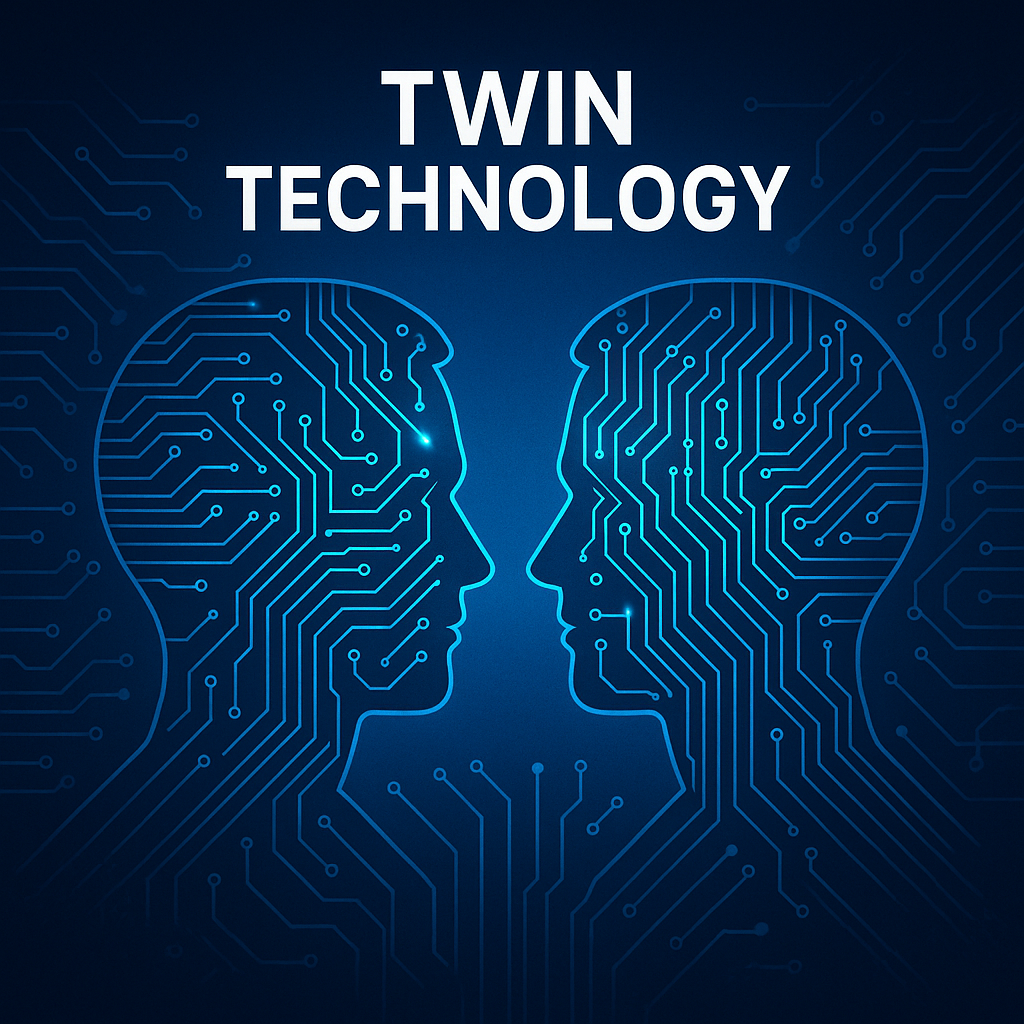
Understanding Digital Twin Technology in Today’s World
In today’s digital age, digital twin technology has emerged as one of the most powerful new technologies in the world of engineering, business, and health. It is transforming how people, computers, and systems interact by creating virtual models of real-world objects.
Just as early humans once relied on stone tools, iron tools, and mechanical systems during the industrial revolution, society now turns to digital twins to enhance knowledge, communication, and understanding in industries such as manufacturing, construction, and health technology.
The Concept of Technology and Systems
Technology Refers to Tools, Knowledge, and Machines
At its foundation, technology refers to how humans use science, materials, and systems to solve problems. Over the years, technology has progressed from stone age tools to computers, artificial intelligence, and digital systems.
From Early Humans’ Tools to Digital Age Systems
Where bronze age and iron age technologies improved farming and survival, today’s communication technology, computer science, and digital platforms improve daily life and society.
What is Digital Twin Technology? Definition and Meaning
Explaining Digital Twins in Simple Terms
A digital twin is a virtual model of a physical object, process, or system. It uses data, sensors, and computer simulations to mirror the real-world item in real time.
How Digital Twins Differ from Traditional Models
Unlike older simulation systems, a digital twin is always connected to the physical world, updating itself with data through communication technology and the internet.
Role of Data, Computers, and Communication Systems
Digital twins rely on computers, software, machines, and IoT systems to collect data and make recommendations for improvement.
A Brief History of Digital Twin Development
Origins in NASA’s Engineering and Simulation Systems
The concept of digital twins first appeared in NASA’s engineering research, where scientists created digital replicas of spacecraft for testing.
Growth During the Industrial Revolution of Computing
With the rise of computers and software systems, digital twin technology gained popularity in manufacturing and business systems.
Expansion into Business, Health, and Daily Life
Today, digital twin systems are used in healthcare, construction technology, supply chains, and environmental technology.
How Digital Twin Technology Works
Data Collection, Sensors, and Internet of Things (IoT)
Sensors and IoT devices collect data from real-world machines, materials, and processes. This information is then sent to the digital twin.
Integration with Artificial Intelligence and Computer Science
By combining artificial intelligence, computer science, and engineering, digital twins analyze data and provide recommendations in real time.
Simulation, Modeling, and Recommendations
Digital twins run simulations to test scenarios, helping businesses, health systems, and researchers make better decisions.
Core Components of Digital Twin Systems
- Physical Assets: Machines, vehicles, or buildings.
- Digital Representations: The virtual twin.
- Communication Technology: Connects the real and digital systems.
- Software Platforms: Store and analyze data.
Applications and Examples of Digital Twin Technology
Manufacturing and Chip Manufacturing
Digital twins are used to monitor chip manufacturing, materials, and machines, ensuring quality and efficiency.
Health and Medical Technology
Hospitals use digital twins to simulate patient health, provide vaccine recommendations, and predict disease risks using scientific evidence.
Business and Supply Chains
Business systems track goods, forecast demand, and reduce costs using digital twin simulations.
Construction Technology and Smart Cities
Engineers use digital twins in construction technology to design safer, smarter buildings and manage water and energy systems in smart cities.
Environmental Technology and Wind Power
Digital twins optimize wind power, machines, and environmental systems, improving sustainability.
Benefits of Digital Twin Technology
- Enhances knowledge, power, and understanding of complex systems.
- Improves efficiency, cost savings, and decision-making.
- Helps society adapt to technological advancement and daily life needs.
- Supports children’s education in educational technology by providing realistic simulations.
Challenges and Limitations
- Data privacy and security risks from constant connectivity.
- High costs of developing advanced systems and machines.
- Risk of over-dependence on technology, computers, and software systems.
Digital Twin vs Traditional Simulation Tools
Traditional simulations are static and based on limited scientific knowledge, while digital twins are dynamic, real-time, and connected to communication technology.
Future of Digital Twin Technology
Integration with Artificial Intelligence and New Technologies
The future will see digital twins powered by artificial intelligence to improve accuracy and make advanced recommendations.
Predictions by Experts
According to MIT Technology Review, digital twins will shape industries like construction technology, medical technology, and manufacturing in the coming years.
Role in Society and Business
Digital twins will play a central role in shaping business systems, human history, and technological progress.
FAQs on Digital Twin Technology
Q1. What exactly is digital twin technology?
It is a virtual replica of a physical object or system, updated with real-time data.
How is digital twin technology used today?
In manufacturing, health, business, construction, environmental systems, and education.
What are the benefits of digital twin systems?
Improved efficiency, cost savings, accurate recommendations, and better decision-making.
Is digital twin technology related to artificial intelligence?
Yes, it integrates with AI to analyze data and predict outcomes.
What industries use digital twins the most?
It will expand into smart cities, communication technology, and daily life applications.
Conclusion:
From the stone age to the industrial revolution, technology has always shaped human history. Now, digital twin technology represents the next step in technological advancement, offering knowledge, power, and communication that improve life, society, and business.
