


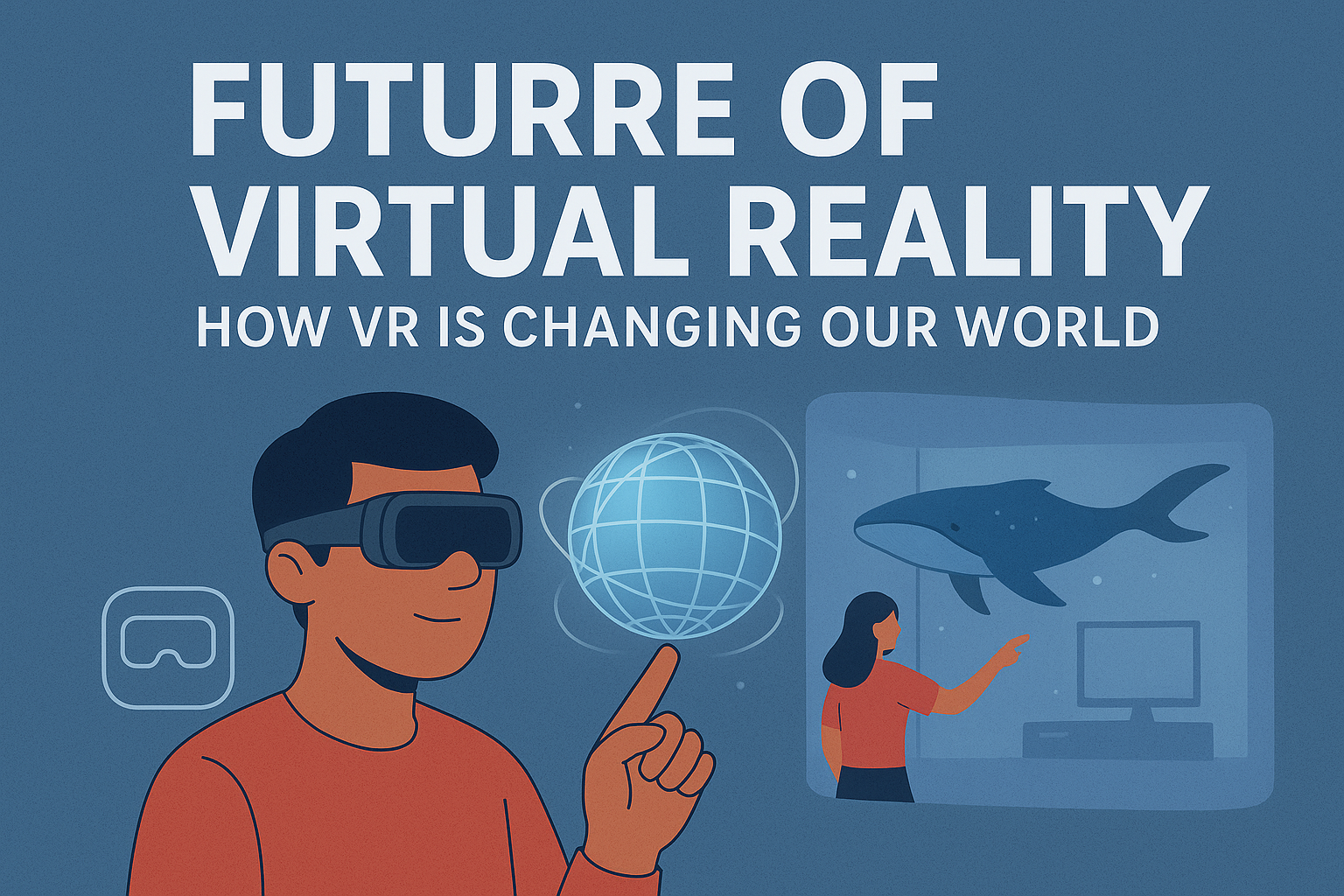
Virtual reality also called VR is a special technology that creates a digital world where people can see, hear and interact with virtual objects. With VR headsets, motion tracking systems, input devices and haptic feedback people feel that they are inside a new environment. Instead of only watching a normal screen virtual reality makes the user feel like they are part of a virtual world. Virtual reality is used for gaming, healthcare , education , business and many other areas. The main goal of this technology is to give people immersive experiences that feel close to the real world.
History of Virtual Reality
The idea of virtual reality started many years ago. In the 1960s some scientists made head mounted displays that showed very simple images. These devices were large and not easy to use but they started the journey of virtual reality. Over time computers became faster, screens became better and sensors became more advanced.
Companies like Oculus, HTC Valve and Apple created VR headsets such as Oculus Rift HTC Vive Valve Index and Apple Vision. These devices gave people better graphics, smoother motion tracking and more immersive experiences. Because of this virtual reality moved from research labs to homes, schools , hospitals and entertainment centers.
How Virtual Reality Works
Virtual reality systems are made with both hardware and software. The main parts are
- VR headsets with small screens in front of the eyes
- Motion controllers for hands and fingers
- Tracking systems that follow head and body movement
- Haptic feedback devices that give the sense of touch
- Software that builds the digital world and simulations
A vr headset shows two slightly different images to each eye. This makes a 3D picture. The tracking system watches the head and body of the user and changes the virtual environment in real time. Controllers or gloves let the person move and touch virtual objects. Haptic feedback makes it feel real by adding vibration or resistance.
When all these parts work together they create immersive virtual environments that feel like the real world.
Applications of Virtual Reality
Gaming and Entertainment
Gaming is one of the most common uses of virtual reality. With VR headsets like Oculus Rift HTC Vive and Valve Index players can step into virtual worlds and control the game with their body. They can move their hands with controllers and feel like they are inside the game.
Entertainment also uses virtual reality. People can watch concerts and movies or even visit space and oceans with vr headsets. This gives users immersive experiences that they cannot get from a normal screen.
Education and Training
Virtual reality is very useful in education. Students can enter simulations and learn by doing. Medical students can practice surgeries in a safe virtual environment. Pilots can train in flight simulators with vr headsets before flying real planes. Engineers and workers can practice skills many times without danger.
Healthcare
In healthcare virtual reality has many uses. Surgeons use vr headsets to prepare for operations. Therapists use immersive technology to treat people with anxiety or phobias. Patients can enter calming environments with VR headsets which helps them reduce pain and stress.
Business and Real Estate
In business and real estate virtual reality is a strong tool. Buyers can take virtual tours of houses or offices without going there in person. Architects can show designs to clients in a virtual environment. Companies use vr presentations to explain products and services in a better way.
Social Interaction
Virtual reality also helps people connect. Friends can meet inside virtual spaces. Workers can join meetings in virtual rooms. These immersive experiences make communication more engaging and fun.
Key Features of Virtual Reality
Virtual reality has many important features
- Immersion inside a virtual environment
- Interaction with digital objects through input devices
- Motion tracking that follows the user in real time
- Haptic feedback that adds the sense of touch
- High quality graphics and realistic simulations
- Wide use in gaming education healthcare business and entertainment
Challenges of Virtual Reality
Virtual reality also has problems. The devices like screens, sensors and controllers need upgrades often. Strong computers and large data are required to run good simulations.
Real communication in person still feels more natural than meeting in virtual spaces.
Future of Virtual Reality
The future of virtual reality looks bright. VR headsets will become smaller, lighter and more affordable. Graphics and tracking will become better and immersive experiences will feel more real.
Virtual reality will play a bigger role in healthcare education business and entertainment. It will join with augmented reality and mixed reality to make even stronger immersive technologies. Social platforms will create large virtual worlds where people can work, learn and play together.
In the future virtual reality may become as common as smartphones. People will use it daily in many parts of life.
Conclusion
Virtual reality is a powerful immersive technology that creates digital worlds where people can interact with virtual objects and environments. With VR headsets motion controllers and haptic feedback users enjoy immersive experiences that feel close to reality.
It is used in gaming, healthcare education, business and social interaction. Even with challenges like high cost and privacy issues the technology is growing fast. The future of virtual reality is full of new possibilities and it will bring the real world and the digital world closer than ever before.
