


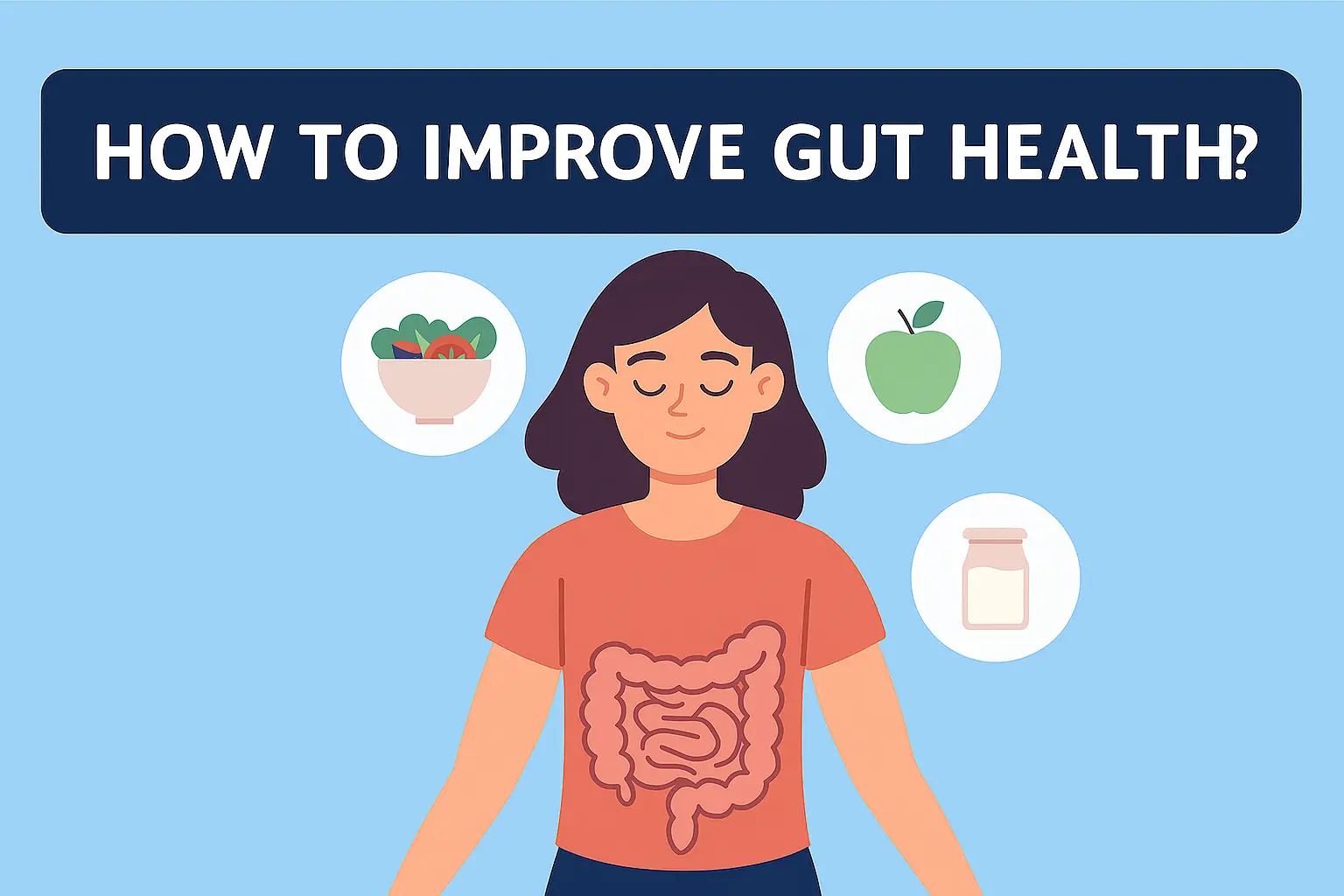
I think gut health is something we should all care about. That made me wonder what was going on inside my body. If we are feeling strange or having digestion problems we should know that our gut plays a big role in our overall health.
In this article we talk about how to improve gut health in simple words. We explain what the gut microbiome is, how foods affect it and what we can do to feel better. I also share my personal experience and answer common questions. This guide is for students, adults and anyone who wants to understand their digestive system and feel healthy again.
What Is Gut Health
Gut health means how well our digestive system works. It includes the stomach intestines and all the parts that help break down food. A healthy gut helps us absorb nutrients, fight harmful bacteria and keep our immune system strong.
Inside our gut there are trillions of microbes. These include bacteria, viruses and fungi. Some are harmful but many are beneficial bacteria that help us stay healthy. This group of microbes is called the gut microbiota or gut microbiome.
Why Gut Health Matters
Gut health affects many parts of our life. It helps with:
- Digestion and bowel movements
- Nutrient absorption
- Mental health and mood
- Immune system strength
- Inflammation control
- Heart health and overall health
If our gut is unhealthy we may feel tired, bloated or sick. We may also have symptoms like constipation diarrhea or frequent headaches. That is why we should take care of our gut.
Foods That Help Gut Health
Food plays a big role in gut health. We should eat:
- Probiotic foods like yogurt kimchi and kefir
- Prebiotic foods like garlic onions oats and bananas
- Whole grains and higher fibre foods
- Vegetables and fruits
- Healthy fats like olive oil and nuts
- Fermented foods for good bacteria
- Roughage and soluble fiber for digestion
These foods help grow good bacteria and improve microbial diversity.
My Personal Experience
I used to eat a lot of sugar and processed snacks.. Then I changed my diet. I added yogurt, whole grains and vegetables. I also started drinking more water and sleeping better.
After a few weeks I felt more energy and my digestion improved. I think food and sleep play a big role in gut health. We should listen to our body and make small changes.
How Sleep and Stress Affect Gut Health
Sleep and stress are important.
We should:
- Sleep 7 to 9 hours every night
- Avoid screens before bed
- Practice deep breathing
- Spend time with family
- Do physical activity like walking or yoga
These habits help our digestive tract and mental health.
Exercise and Gut Health
Exercise helps gut health. It improves digestion and increases microbial diversity. People who move more have better gut bacteria.
We should do:
- Walking
- Running
- Yoga
- Dancing
- Any physical activity we enjoy
Even 30 minutes a day can help.
Gut Health and Mental Health
There is a link called the gut-brain axis. That means our gut and brain talk to each other. If our gut is sick our mood may change.
Good bacteria help produce chemicals that make us feel happy. That is why gut health affects mental health.
Tips to Improve Gut Health
We should:
- Eat probiotic and prebiotic foods
- Avoid sugar and processed food
- Drink enough water
- Sleep well
- Manage stress
- Exercise daily
- Avoid unnecessary antibiotics
- Talk to a healthcare provider if needed
These steps help build a healthy gut microbiome.
What Research Says
Research shows that a diverse gut microbiome helps with digestion immunity and mental health. Studies link gut bacteria to diseases and overall health. A systematic review found that probiotic foods and fiber improve gut health.
Nutrition experts say the Mediterranean diet is good for gut health. It includes vegetables, fruits, whole grains and healthy fats.
FAQ – How to Improve Gut Health
Q1: What is gut health?
Gut health means how well our digestive system works and how balanced our gut bacteria are.
Q2: What are probiotic foods?
Probiotic foods have good bacteria like yogurt, kimchi and kefir.
Q3: What are prebiotic foods?
Prebiotic foods feed good bacteria like garlic onions and oats.
Q4: How does sleep help gut health?
Good sleep helps grow beneficial bacteria and reduces inflammation.
Q5: Can gut health affect mental health?
Yes the gut-brain axis connects digestion and mood.
Q6: What is the best diet for gut health?
A diet with whole grains, vegetables, fruits and fermented foods is best.
Conclusion
I think gut health is very important. If we feel tired, bloated or sad we should look at our diet, sleep and stress. Our gut microbiome affects digestion mood and disease risk. We should eat good food, move our body and sleep well.
We should also learn from research and talk to professionals if needed. A healthy gut means a healthy life. Let me know if you want help choosing foods or building a gut-friendly routine.
